Table Of Content
- Ionic vs. SAP Fiori: An Exhaustive Analysis of Leading Mobile Development Platforms
- Video production seniors shoot Western short ‘Ghosts of Gold Creek’ in Montana
- Creating System Diagrams and Flowcharts
- Professor Williams testifies for bill that could boost game design industry in Wisconsin
- Definition and Key Concepts
- How to create a good High Level Design — HLD
- Characteristics of HLD
- Component Identification Flow In Software Architecture
Provides the list of applicable Architecture Principles and Patterns, and more importantly identifies the need for any new principles and patterns. This section demonstrates the adherence to the Enterprise Architecture Principles & Patterns and where gaps were found to create new Patterns and Principles. At this stage of the SDLC, the low-level, highly technical issues are not yet relevant. The SOW has not been signed, the scope is not yet locked, and developers are yet to be engaged. The effort to produce an HLD can be easily justified by understanding when and why it’s used.
Ionic vs. SAP Fiori: An Exhaustive Analysis of Leading Mobile Development Platforms
This document is designed to help in operational requirement and can be used as a reference manual for how the modules interact. Basically, HLD is a technical representation of functional requirements and flow of information across assets or components. It is important to involve stakeholders and obtain their feedback throughout the design phase.
Video production seniors shoot Western short ‘Ghosts of Gold Creek’ in Montana
The Top CAD Software for All Levels - 3Dnatives
The Top CAD Software for All Levels.
Posted: Thu, 08 Feb 2024 08:00:00 GMT [source]
It serves as a blueprint for developers, architects, and stakeholders to understand the structure, components, and interactions of the system without delving into implementation details. Get High-Level FlowAfter getting clear about the requirement and high-level flow, it is time to create a high-level design. In our project, because we use Microservices architecture, we will define the use case as a service.
Creating System Diagrams and Flowcharts

High-level design provides an overview of the entire system and sets the foundation for the detailed design and implementation phases. When it comes to software development, having a solid high-level design is essential. It provides a roadmap for the entire development process and helps ensure that all the key components and modules of the system work together seamlessly. In this blog post, we will explore the concept of high-level design, its benefits, and how to create an effective high-level design. Whether you are a software developer, project manager, or simply interested in understanding more about the software development process, this blog post will provide valuable insights.
Professor Williams testifies for bill that could boost game design industry in Wisconsin
“I think in some respects, you could start to make the case that everyone here is now an interior designer.” Indeed, the city’s design scene has boomed, with new shops and showrooms sprouting up every month. What’s most exciting about this design renaissance, though, is the range of visions and styles represented around the city—due in part, perhaps, to the constant flow of new residents from around the country and world. Design scene is equally embracing of the primitive and the cutting-edge, the refined with the unrefined,” says Adam Blackman of Blackman Cruz, on Highland Avenue.
Definition and Key Concepts
Software architecture is an entirely different topic, which is not relevant here. The subject has been explored from all angles in the series of instalments (of which this article is the fifth and final one), and, therefore, we invite the reader to look at Parts 1 and 2 for first principles and details. Stakeholders could even ask for significant design changes or have alternative options considered before deciding on a specific path. We examined Agile extensively in other articles and believe Agile is sometimes promoted as a context-free answer to a context-specific question. In other words, there are instances where it applies and others where it doesn’t. My experience has been, by the time you’ve done all this, you are on very solid footing, and you’re ready to starting building this thing with good confidence and a lightness in your step.
How to create a good High Level Design — HLD
The goal of HLD is to provide a clear and comprehensive understanding of the system’s functionality, performance, and scalability, as well as its key constraints and trade-offs. This information is used to guide the development of the system and to ensure that it meets the requirements and satisfies the constraints of the problem domain. In creating the System Diagram, we’ll have to see deeper from the technical standpoint. So for this case you have to understand already when we will need to create a new Microservice and when it is not. This understanding will be variant on how the organization work and you as the one to develop the solution.

Characteristics of HLD
That has many teams involved, and sometimes there is some missing link between the member for understanding the feature. The absent link cause by there is no base understanding for each team. That is why documentation is needed to standardize the development process. A High-Level Design can be a way to get all team understanding of how the overall solution that will be implemented. Solution design is creating a comprehensive plan for developing software systems that satisfy specific requirements.
Component Identification Flow In Software Architecture
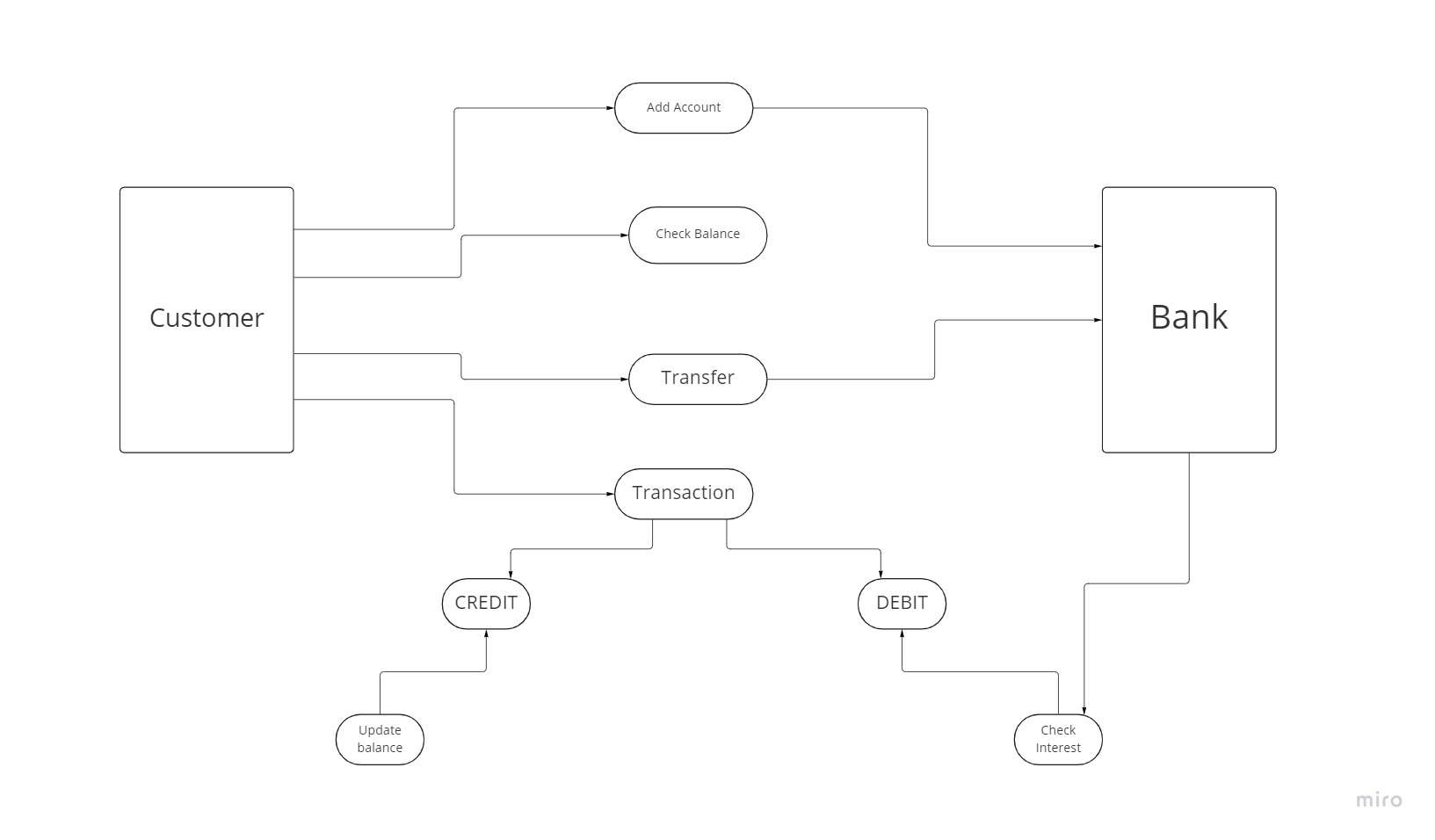
HLD document consists of data flows, flowcharts, and data structures to help developers in understanding and implement how the current system is being designed intentionally to function. The highest-level design should briefly describe all platforms, systems, products, services, and processes that it depends on, and include any important changes that need to be made to them. Provides the overall Solution Context Diagram (example in the diagram above) that highlights the impacts to Business, Application, Technology layers, clearly marking the modified, newly introducing and decommissioning components. This section visually establish the boundaries of the overall solution and the proposed solution context for stakeholders at all levels.
Discuss handling of local data loss, transient errors (e.g., temporary outages) and how they affect your system. Bear in mind that reliability issues with your dependencies can often cause reliability issues for your system. Think about potential attacks on your system and describe the counter-measures you have in-place to prevent or mitigate eachattack.
Apple company, pages out desired which will filter out specific products as per the geographical location. Polling is a technique of sending and receiving data from a server just likely as we do we doing above in the case of web sockets.
The HLD, Functional Specifications and SOW should provide precisely this information. I’ve had to write a lot of design documents over the years, and have come up with an approach that works for me. The filtering mechanism filters the required resources, the sorting mechanism places the resources in order, and the pagination mechanism then returns a specific range of those ordered resources.
Describing and documenting IT system design has historically used natural language and visualizations. While both are powerful and rich, allowing the author much room for creativity and expression, they have considerable drawbacks. The processes must be organized for the system to work, primarily if they depend heavily on one another. Designing performing processes is a topic in itself, and there are rules and best practices that can help you achieve that; see production processes for a complete discussion.
ConclusionHigh-level design is a critical phase in the software development process that defines the overall architecture and functionality of a software system. It provides a blueprint for development, facilitates communication, reduces risks, and enables scalability and maintainability. By following best practices and focusing on key components, developers can create well-designed systems that meet the needs of stakeholders and users. The role of a solution designer is to work with stakeholders to understand the problem and requirements and to design and develop software solutions that meet those needs. This involves defining the system architecture and design, identifying the software modules and components, specifying the interfaces and data flows, testing and validating the design, and deploying the solution.
All large IT projects will require a High-Level Solution Design, also known as High-Level Design or HLD, an artifact instrumental to the Software Development Lifecycle analysis phase. The HLD gives the stakeholders a bird’s eye view of the system once the implementation is completed. At its core, the proposed solution architecture is designed to solve a business problem and generate customer value. Overall, high-level design is essential for creating well-designed software systems that meet the needs of stakeholders and users. It enables developers to create scalable, maintainable, and secure systems that deliver value to the organization. The purpose of this High Level Design (HLD) Document is to add the necessary detail description to represent a suitable model.
This helps align expectations and ensures that the design meets the desired requirements. Regular communication and collaboration facilitate a better end result. To further illustrate the high-level design, create system diagrams and flowcharts. These visual representations help stakeholders and developers understand the overall structure and emphasize the connections between modules. Tools like Lucidchart or Microsoft Visio can be used to create these diagrams effectively.



No comments:
Post a Comment