Table Of Content

Since this trend first gained popularity, technological advancements have significantly advanced the elements, making them seem “retro” to us today. Movie posters, album covers, and interiors everywhere featured palm trees, neon pastels, and retro suns. The tropical style of the 80s remains popular with a resurgence in modern-retro brands like Poolsuite FM/Vacation.Inc.
Mixing Digital and Traditional Elements
One of the exciting aspects of retro graphic design’s future is its versatility. Designers are embracing the freedom to cherry-pick elements from different eras, weaving together a tapestry of influences that results in a truly unique aesthetic. At the heart of retro graphic design lies a distinctive set of elements that define its unique visual language.
Lessons to Learn from Their Branding Strategies
The visualization of the flower power movement in the 60s and the 70s is called Psychedelic design. Fluid lines, bright colors, and funky typography are all part of this striking design style. This style tends to resonate most with designers who were growing up during the years when these trends were popular. As with users, people who have a strong connection to the style will feel most comfortable around it and drawn to designs featuring it.
Techniques for Adding a Contemporary Twist to Retro Illustrations
Those who grew up with smartphones may find it difficult to imagine how life was in the 1970s. To put it into perspective, the internet was decades away from commercialization, and the dot com boom and “modern” technology were just beginning to bubble to the surface. The mix of multiple 70s rock fonts and black and white imagery, alongside the layout, makes for a visually compelling flyer. Flowy, smooth, bubble-like shapes were almost a direct response to the International Typographic Style of the 50s. Fonts from the 70s were also exuberant and free, and hand-drawn fonts really show these qualities. People loved expressing themselves through vivid colors, extraordinary florals, and angular shapes and embraced the vibrant tropical style.
London-based Osheyi Adebayo references his childhood in his retro graphic design - It's Nice That
London-based Osheyi Adebayo references his childhood in his retro graphic design.
Posted: Wed, 24 May 2017 07:00:00 GMT [source]
Contemporary Graphic Design
Similarly, avoid a vintage design if there’s no nostalgia for your product/industry. Choosing a vintage design is a deliberate choice, and if there’s nothing to be gained by playing with nostalgia in your design, the design will just feel pointless. And similarly to how consumers want the latest when it comes to tech and medical purchases, they want products that fit into our fast-paced modern lifestyle. Don’t remind your audience of chores they used to do or inconveniences they used to have to put up with by using a design that reminds them of these unpleasant memories. But in practice the transition between retro and vintage design has become fluid.
There are so many broken interfaces, counter-intuitive choices, crooked forms and dark patterns these days, ruining the subtlety of discovering a displayed project. It’s pretty sad to observe the impressive and potentially break-through design projects, whose execution in the actual terms of appliance is poorly-arranged, drowning all the hard work in unprofessionalism. Whether you’re looking at a famous 70s rock album or a Coca-Cola ad, you’ll find a lot of persona or character-driven graphics mixed with funky-fresh typefaces throughout the designs of the 70s. You can see these colors in paisleys, mandalas, or other patterns of simple shapes used in posters, wallpapers, and carpets, among other places.
Bold Colors and Simple Shapes
With mid-century modern, you’re capturing what “now” meant in the middle of the 20th century, not how pop culture depicted the future. Art Nouveau emerged toward the end of the 19th century and remained popular until the 1910s. This design style is characterized by curved lines and intricate details inspired by flowers and plants.
Vintage elements can include typography, illustrations, photo styles, and even entire aesthetic palettes. Further, there are different eras to choose from when you want to go for a vintage feel. Here, we’ve whizzed through some of the best-known design styles that can be considered as ‘vintage’. As we touched on at the beginning of this article, we can class a style as being ‘vintage’ by looking for all or some of these three qualities—nostalgia, perception of age, and visual style.
Retro Design Trends: Rewind to the 60s and 70s Graphic Design
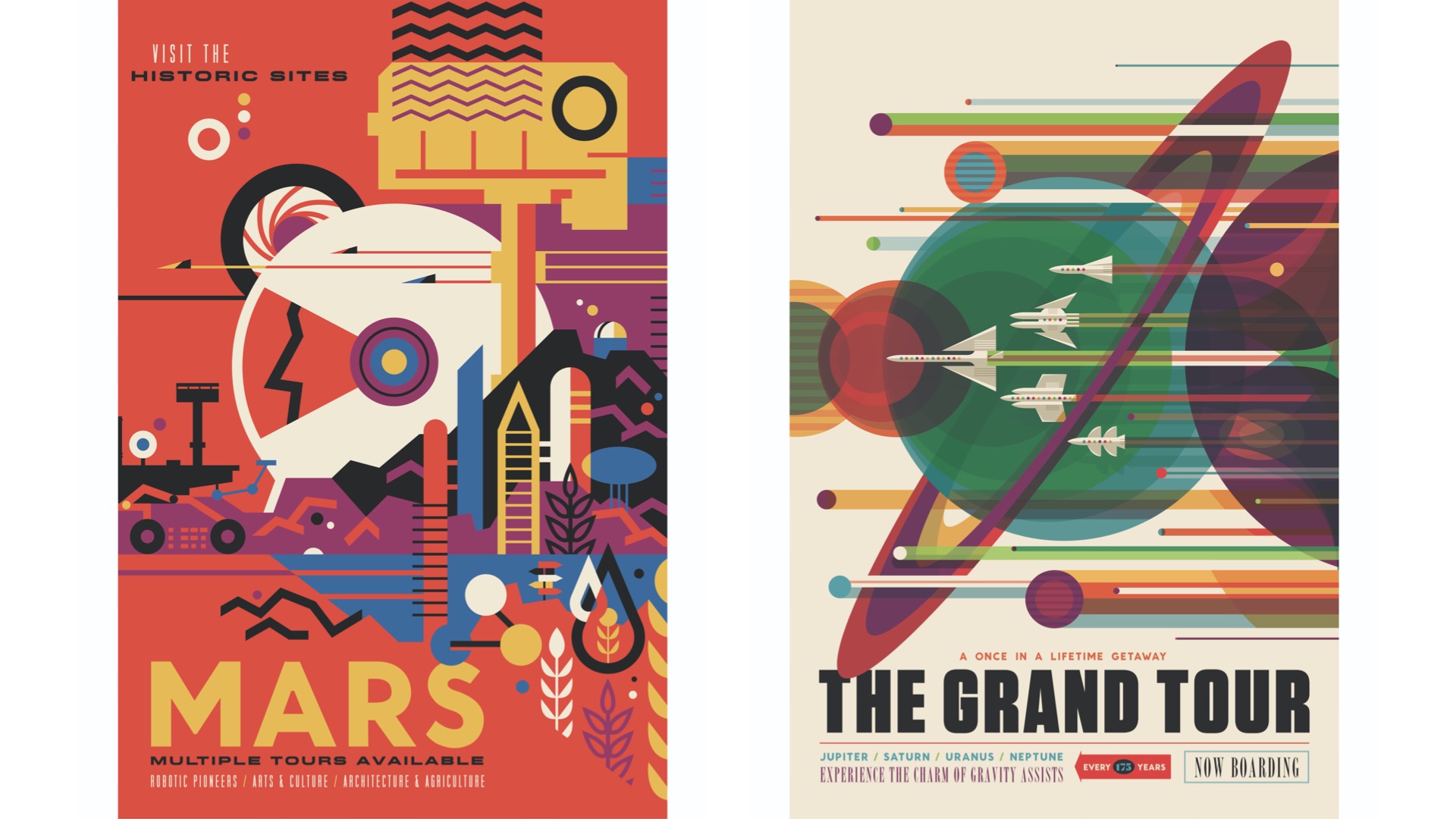
Even though the industry is constantly bearing new design trends, the significance of retro design is increasing. Things—that were once obsoleted—are new again; old trends and designs are now brought out, dusted, and put into use, thus proving their own point. If you want to grab someone’s attention and hold it, punk is a great vintage design style to reference.
Migy Blanco's distinctive color palate and retro styling has been called upon by clients ranging from Nickelodeon to Mac User magazine. The UK-born illustrator developed his bold aesthetic in Buenos Aires, and has built an incredible portfolio of children’s books with a fresh, vibrant vibe. Philadelphia letterer and illustrator Mary Kate McDevitt brings a vintage, hand-crafted aesthetic to her stunning illustrative lettering projects. She married retro characters, layers of detail and ornate lettering in this beautiful collection of Edin Blyton stories, and you’ll find a treasure chest of vintage hand-lettering work on her website. Beyond evoking nostalgia, it works because it’s an easy way to guarantee your design never ends up looking outdated.
Bauhaus is a niche design style inspired by an art school in Germany that was widely influential during the 1920s and 1930s. A founder of Modernism in Germany, the Bauhaus movement championed simple, minimal graphics and bold, poster-box colors. Vintage style seekers won't be disappointed with the wealth of vintage graphic design inspiration evident in Jazz Age posters, packaging, interiors, and architecture.
The result is a design that honors tradition while embracing innovation, bridging the gap between eras and touching the hearts of those who encounter it. This movement embraced geometric shapes, bold lines, and luxurious materials to create designs that exuded both sophistication and exuberance. The symmetrical compositions and intricate patterns of Art Deco continue to capture the imagination, infusing modern designs with a touch of glamour and elegance. The roots of retro design dig deep into the fertile soil of history, drawing inspiration from artistic movements and design sensibilities of bygone eras. The artistry and craftsmanship of these periods have left an imprint that continues to shape contemporary design.
Using steampunk elements in graphic design allows designers to give an off-beat, distinctive twist to vintage styles. Think neon lights and holographic interfaces, pixel art in virtual reality environments, and Art Deco-inspired elements in futuristic architecture. This harmonious blending of retro charm and futuristic innovation is forging an entirely new aesthetic territory that defies conventional design categories. As the boundaries between old and new blur, modern retro illustrations emerge as a powerful form of artistic expression.
The delicate balance between nature and design created a harmonious fusion that laid the groundwork for retro design’s fascination with nostalgia and beauty. Who would have thought that a chemical element could come to represent an entire decade? One of the most iconic styles of the 1980s, Neon was used everywhere – from film posters to album covers to video games. This year we’ve seen the neon trend used by big brands such as Nike in this video billboard and BMW in their Motorsport Sim Racing opener. Illustrator, Designer, and educator Ed Vill possesses a playful style with retro characters and exciting color palettes.
This journey allows us to uncover the threads that weave together the eclectic fabric of retro aesthetics. Retro graphic design is a time capsule, preserving the essence of influential design movements and eras that left an indelible mark on visual culture. Whether it’s the psychedelic swirls of the ’60s, the sleek futurism of the ’70s, or the neon extravagance of the ’80s, each era contributes its own flavor to the retro melting pot. Exploring these movements offers insight into the historical context that birthed the designs we admire today. When he isn’t creating or commissioning stunning artwork for movies and magazines, The Church of London creative director Timba Smits can be found making retro illustrations for an eclectic range of projects. His portfolio is packed with retro posters, logos, graphic design and vintage illustrations.
Whether your work in Photoshop, Illustrator, Procreate, and Affinity we've got you covered. In the meantime, grab a cuppa, kick back and be inspired by this vibrant snapshot of the most exciting retro and vintage illustrators out there – some of whom used our brushes in their work. Successful marketing burrows into the consumer’s mind, so you’ve got to meet consumers inside their heads. That’s the gateway to their hearts and guts, which are the end of your journey.



No comments:
Post a Comment